VerdictLab compared FIFA’s technical account with independent reporting on the tournament. The clearest lesson was that sports AI earns trust when it improves a specific decision without becoming the spectacle itself.
- Equal access changed the value proposition
- Invisible improvements often worked best
- The lesson extends beyond football
Equal access changed the value proposition
FIFA AI Pro gave all 48 teams access to detailed analysis, reducing the advantage held by the best-funded data departments. That shared layer matters as much as the sophistication of the models. Instead of distributing long match reports that require a large analysis staff, a knowledge assistant can help smaller teams ask focused questions and reach the relevant patterns faster.
Invisible improvements often worked best
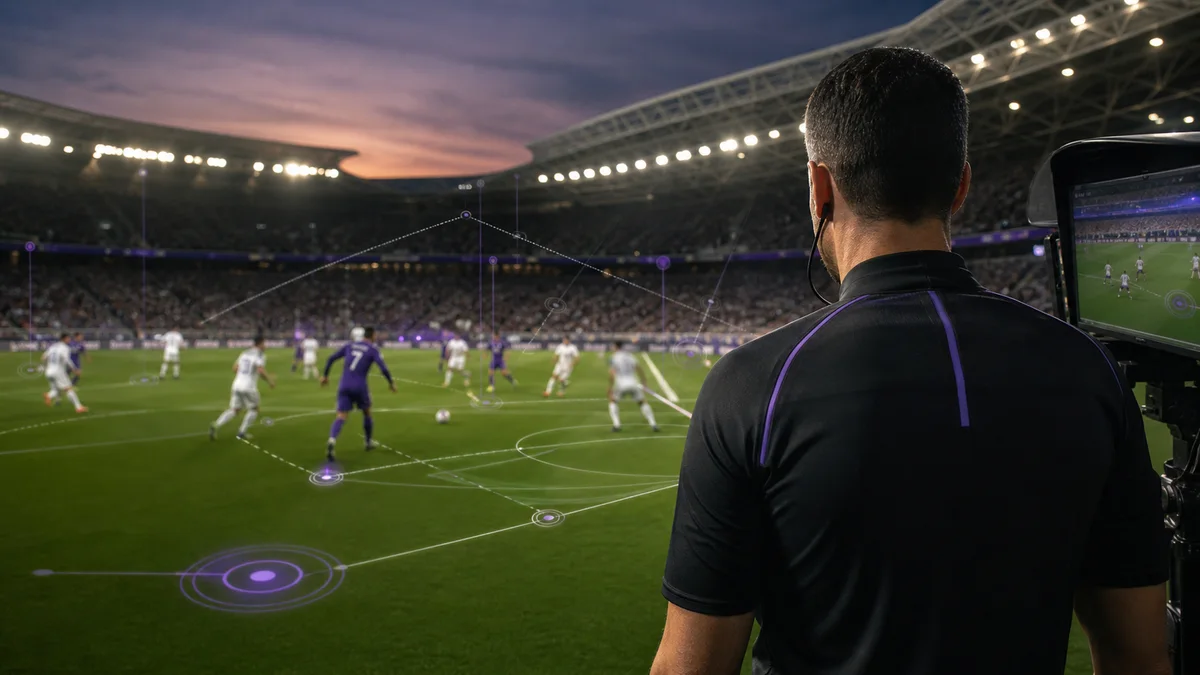
Semi-automated offside support, digital player models and stabilised referee-camera footage focused on accuracy and comprehension. VerdictLab sees a useful template: deploy AI where the outcome can be checked and the human official remains accountable. The technology should reduce ambiguity for officials and viewers without disguising the limits of what the system can decide.
The lesson extends beyond football
The same standard can guide other sports and consumer products: start with a narrow problem, make the evidence visible and keep a clear appeal or review path. A system becomes more trustworthy when users can understand what it contributed and who remains responsible for the final call.
Useful sports AI makes the decision clearer, the evidence easier to inspect and the human responsibility impossible to hide.
VerdictLab editorial note
Original sources
This VerdictLab report is an original summary and analysis based on the reporting below.
How this was created: VerdictLab selected and checked the cited reporting, prepared an original summary with AI assistance, and translated it for accessibility. We link to the original publishers and do not reproduce their articles.